The Role of Grading Contractor Services and Excavation in Construction Projects

In the construction industry, the foundation of any successful project begins long before the first brick is laid or the concrete is poured. It starts with the essential work of grading and excavation. These preliminary steps are critical to ensuring the stability, safety, and longevity of commercial developments, public infrastructure, and large-scale projects. As someone deeply involved in this field, I understand the importance of precise grading contractor services and excavation work. These services set the stage for everything that follows.
Grading and excavation are not merely about moving earth. They involve careful planning, expert execution, and adherence to strict regulations. The role of a grading and excavation contractor is multifaceted, requiring technical knowledge, specialized equipment, and a commitment to quality. This article explores the vital functions these contractors perform, the techniques they employ, and why their work is indispensable to commercial businesses, developers, and public sector clients.
Understanding Grading Contractor Services
Grading contractor services encompass the process of reshaping the land to create a level base or a specific slope. This is essential for drainage, foundation stability, and overall site preparation. Proper grading prevents water accumulation, reduces erosion, and ensures that structures built on the site remain secure over time.
The grading process typically involves:
Cutting and filling: Removing soil from high areas and adding it to low areas to achieve the desired contour.
Compaction: Compressing the soil to increase its density and strength.
Slope creation: Designing slopes to direct water away from buildings and infrastructure.
For example, when preparing a commercial parking lot, grading contractor services ensure the surface is even and slopes gently to prevent water pooling. This not only protects the pavement but also enhances safety for vehicles and pedestrians.
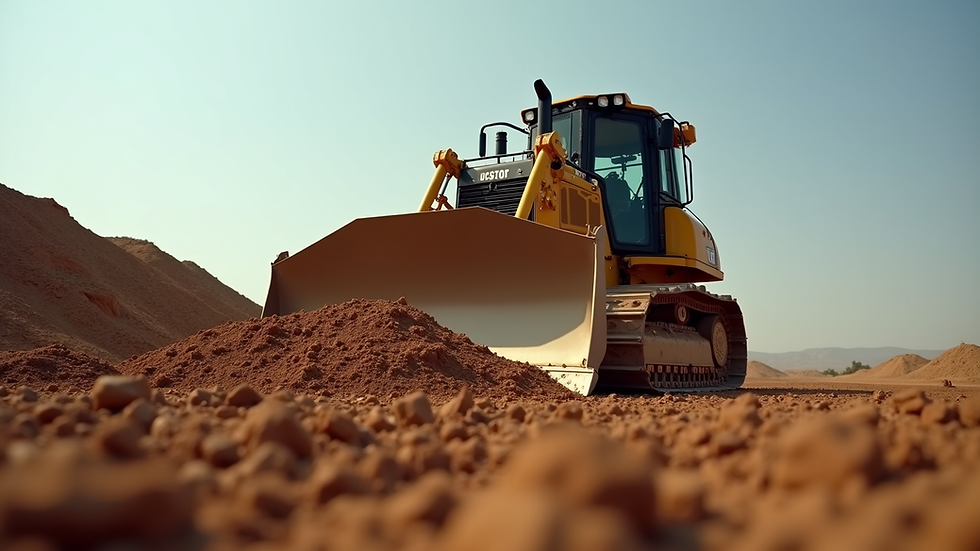
The precision required in grading demands advanced machinery such as bulldozers, graders, and compactors. Skilled operators must interpret site plans accurately and adjust their work to meet engineering specifications. This expertise is why selecting a reputable grading contractor is crucial for project success.
The Importance of Excavation in Site Development
Excavation is the process of removing earth to create space for foundations, utilities, and other underground structures. It is a critical step that precedes most construction activities. Excavation must be executed with precision to avoid damaging existing infrastructure and to comply with safety standards.
Key excavation tasks include:
Trenching: Creating narrow, deep channels for utility lines such as water, gas, and electrical conduits.
Foundation digging: Removing soil to the required depth for building foundations.
Site clearing: Removing trees, rocks, and debris to prepare the land for construction.
Excavation contractors use equipment like backhoes, excavators, and trenchers to perform these tasks efficiently. They also conduct soil testing and analysis to determine the best excavation methods and to anticipate potential challenges such as unstable soil or underground water.
For instance, in a public infrastructure project, precise excavation ensures that sewer lines are installed at the correct depth and gradient, preventing future maintenance issues. This level of detail highlights the contractor’s role in safeguarding the project’s integrity.

Key Responsibilities of a Grading and Excavation Contractor
The role of a grading and excavation contractor extends beyond operating machinery. These professionals are responsible for:
Site assessment and planning: Evaluating the terrain, soil conditions, and project requirements to develop a detailed work plan.
Compliance with regulations: Ensuring all activities meet local, state, and federal environmental and safety standards.
Coordination with other contractors: Collaborating with engineers, surveyors, and construction teams to align grading and excavation with overall project goals.
Risk management: Identifying and mitigating hazards such as soil erosion, landslides, or underground utility damage.
Quality control: Monitoring the work to maintain accuracy and durability.
A grading and excavation contractor must combine technical skill with project management capabilities. Their work directly impacts the timeline and budget of construction projects. Delays or errors in grading and excavation can lead to costly repairs and safety concerns.
Best Practices for Selecting Grading Contractor Services
Choosing the right grading contractor services is a strategic decision that influences the success of any construction project. Here are some best practices to consider:
Verify experience and expertise: Look for contractors with a proven track record in commercial and public sector projects.
Check equipment and technology: Modern, well-maintained machinery ensures efficiency and precision.
Review safety records: A strong safety culture reduces the risk of accidents and project interruptions.
Request references and case studies: Past project examples provide insight into the contractor’s capabilities.
Evaluate communication skills: Clear, consistent communication is essential for coordination and problem-solving.
For example, Russ Berner Construction has established itself as a leader in grading contractor services by adhering to these principles. Their commitment to quality and customer satisfaction has earned them a reputation for reliability and excellence.
Enhancing Project Outcomes Through Expert Grading and Excavation
The impact of expert grading and excavation extends beyond the initial site preparation. Properly executed work contributes to:
Structural integrity: Ensuring foundations are stable and capable of supporting buildings and infrastructure.
Environmental protection: Minimizing soil erosion and managing stormwater runoff effectively.
Cost efficiency: Reducing the need for future repairs and maintenance.
Project timeline adherence: Preventing delays caused by site-related issues.
By investing in professional grading contractor services, commercial businesses and developers can safeguard their projects against common pitfalls. This proactive approach supports long-term success and community trust.

Sustaining Leadership in Construction Sitework
Maintaining leadership in the paving, grading, milling, and sitework industry requires continuous improvement and strong community partnerships. Companies like Russ Berner Construction demonstrate how dedication to quality and innovation drives growth and customer satisfaction.
By prioritizing skilled grading and excavation contractors, businesses can expand their project portfolios while upholding high standards. This commitment fosters trust among clients and stakeholders, reinforcing the company’s reputation as an industry leader.
In summary, the role of grading contractor services and excavation is foundational to construction success. Their expertise ensures that every project begins on solid ground, literally and figuratively. Investing in these services is an investment in quality, safety, and long-term value.


Comments